Why Sativa Kief Concentrate Is a Favorite for Energy and Focus
If you have spent any time around cannabis concentrates, you already know that kief holds a special place. It is the purest expression of the plant's resin, collected from the sticky trichomes that dust the surface of mature flower. For years I treated kief as a bonus - something to sprinkle on top of a bowl or save up for a special occasion. But once I started working with sativa kief concentrate as a standalone product, my whole perspective shifted. The experience is cleaner, more focused, and surprisingly versatile.
Let me walk through what makes this concentrate different from other forms of cannabis, how to use it properly, and why the sativa side of the spectrum deserves your attention if you are looking for daytime relief or creative energy.
What exactly is kief?
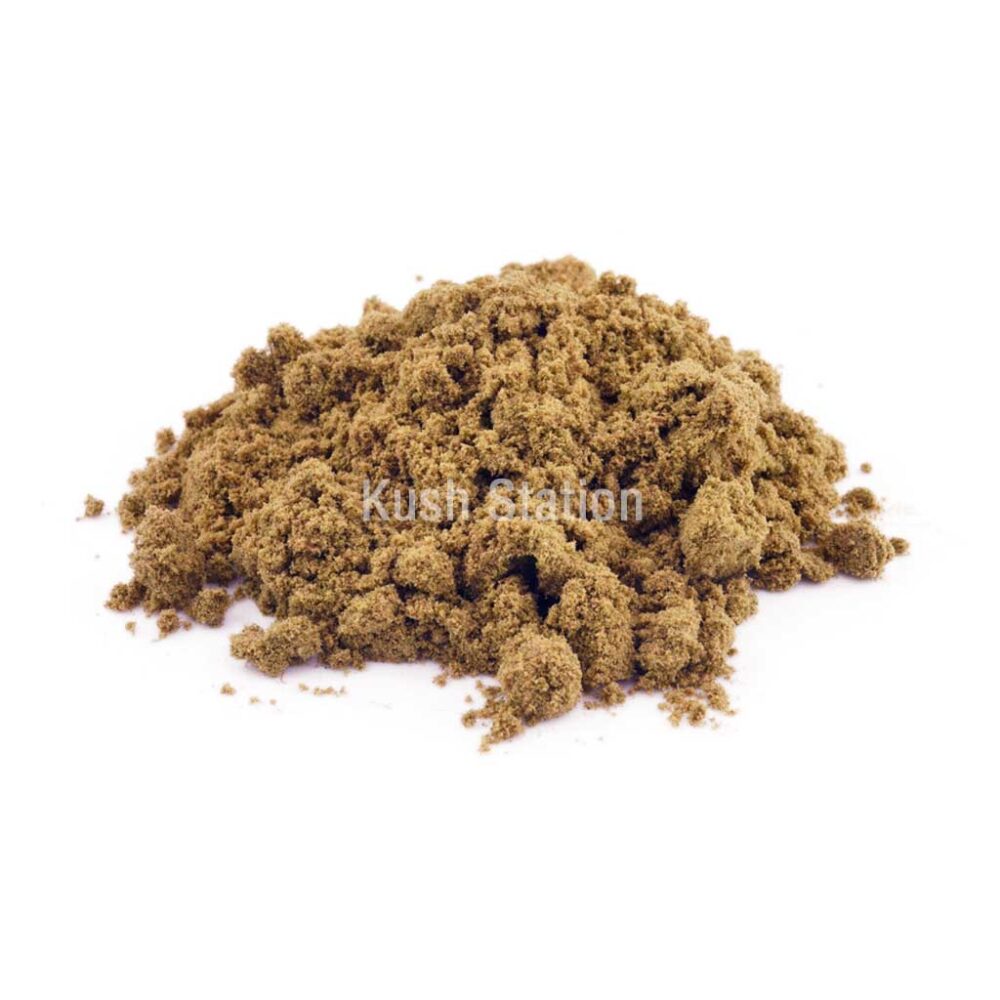
Kief is the accumulation of trichomes - those tiny, crystal-like glands on the cannabis plant that produce cannabinoids like THC and CBD, along with aromatic terpenes. When you grind flower in a standard grinder with a mesh screen, the trichomes fall through and collect in a separate chamber. That golden, powdery material is kief. It is already a concentrate in the sense that it contains a much higher concentration of active compounds than the flower it came from.
A well-made sativa kief concentrate takes this a step further. Instead of just collecting whatever falls off during grinding, producers gently sift or screen the plant material to isolate the finest, most resinous trichomes. The result is a product that can test at 50 percent or more total cannabinoids, with very little plant matter. That means you use less material to get the same effect, and the flavor profile is more pronounced because you are tasting mostly terpenes, not leaf.
Why sativa matters for kief
The difference between sativa and indica is not just a marketing label. Sativa strains typically grow taller with narrower leaves, and they tend to produce a biochemical profile that is higher in certain terpenes like limonene and pinene. For the user, that often translates into an experience that feels uplifting, mentally stimulating, and less sedating. When you turn that sativa into kief, you are concentrating that exact profile.
I find that a pure sativa kief concentrate hits differently than a mixed-strain or indica-dominant kief. With an indica kief, I often feel heavy and ready to nap within an hour. With sativa kief, I get a clean wave of focus that lasts for a couple of hours without the crash. It works well for writing, for long walks, or for tackling a project that needs sustained attention. The effects are not as one-dimensional as some edibles or distillates can be - there is a full spectrum of sensation, from the initial citrus or pine aroma to the gradual build of mental clarity.
How to use sativa kief concentrate
Because kief is dry and powdery, you have several good options for consuming it. Each method changes the experience slightly, so it helps to match the method to the moment.
Sprinkling on flower in a bowl or joint
This is the most straightforward approach. You pack your usual flower into a pipe or roll a joint, then sprinkle a thin layer of sativa kief on top or mix it in. The kief burns a little slower than the flower, so you get a prolonged release of cannabinoids. It is a great way to test a new sativa kief concentrate without committing to a full session of pure concentrate. I do this when I want to gauge the potency and flavor before using it on its own.
Using a vaporizer
If you own a dry herb vaporizer that handles loose material, you can vape kief directly. The lower temperature preserves more terpenes, so the flavor is brighter and more nuanced than combustion. Start at around 185 degrees Celsius and gradually step up to 200 degrees. The vapor is smooth and the effects come on fast but feel lighter than smoking. This is my preferred method for daytime use because it is gentler on the lungs and the high feels cleaner.
Pressing into hash or dabbing
With enough pressure and gentle heat, kief can be pressed into hash. That gives you a more shelf-stable product that you can crumble into a bowl or use in a dab rig. For a true concentrate experience, you can also press sativa kief into a rosin - though that requires a bit more equipment. If you have access to a dab rig, a small crumble of pressed kief yields thick, flavorful vapor that hits hard. I reserve this for evenings when I have nowhere to be, because the potency can be surprising.
Adding to edibles
Because kief is already decarboxylated to some degree during collection and storage, you can infuse it into butter or oil with a gentle simmer. The key is to heat it long enough for decarboxylation to occur fully - about 30 to 45 minutes at 220 degrees Fahrenheit in a fat-based carrier. The resulting oil can be used in any recipe. The flavor is more herbaceous than distillate-based edibles, but the effect is reliable and long-lasting. I make small batches of sativa kief-infused coconut oil for mornings when I need steady energy without smoking.
What to look for when buying
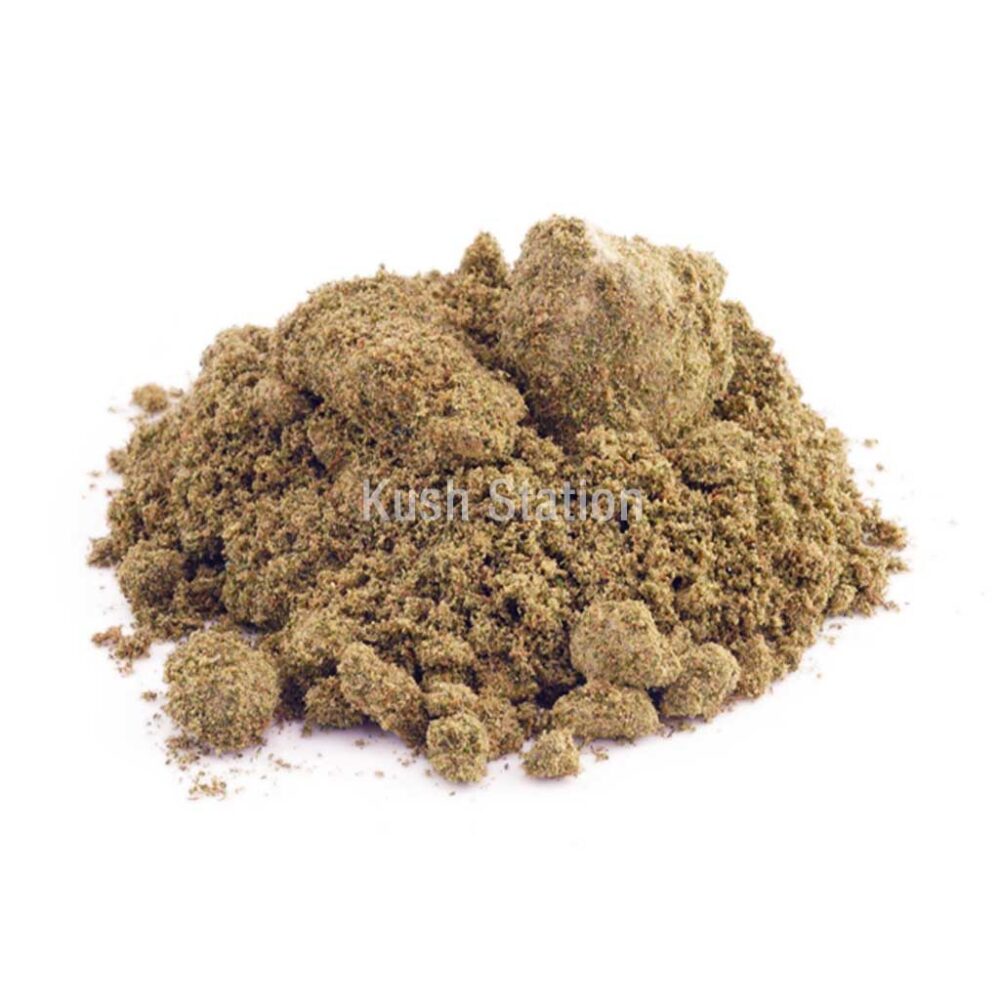
Not all kief is created equal. The best sativa kief concentrate I have tried comes from producers who prioritize freshness and careful handling. Look for a product that is light green or golden in color, with a powdery consistency that clumps slightly when pressed. Dark green or brown kief usually contains too much plant matter and will taste harsh. The aroma should be distinctly floral, citrusy, or piney - matching the sativa strain it came from.
Reputable sources like an online dispensary such as Kush Station usually provide third-party lab testing results for their concentrates. That data tells you the exact THC and CBD percentages, as well as the terpene profile. If the lab report lists total cannabinoids above 40 percent and shows a terpene profile dominated by limonene, beta-caryophyllene, or myrcene, you are looking at a high-quality sativa kief. A good budtender can also guide you toward the freshest batches and explain how the strain was grown.
Storage matters more than you think
Kief is sensitive to heat, light, and air. The trichomes are fragile, and once they break open, the terpenes evaporate quickly. Store your sativa kief concentrate in an airtight glass jar in a cool, dark place. Avoid plastic containers, because static can strip the resin from the trichomes. I keep mine in a small mason jar inside a cabinet, and it stays potent for months. If you plan to press it into hash later, store it with a silica gel pack to keep humidity low; moisture makes pressing difficult and can lead to mold.
Common mistakes and how to avoid them
- Using too much at once. Because kief is so potent, new users often take a hit that is twice as strong as they expected. Start with a pinch the size of a grain of rice, wait ten minutes, then decide if you want more.
- Storing kief in the grinder. Leaving kief in the collection chamber of your grinder for weeks exposes it to light and air. Transfer it to a proper storage container as soon as you have a decent amount.
- Ignoring the strain origin. Not all sativa kief is the same. A strain like Green Crack will produce a very different effect than a sativa-dominant hybrid like Super Silver Haze. Ask your budtender or check the product description for the specific strain.
- Overheating in a vaporizer. If you vape kief at too high a temperature, you lose the delicate terpenes and get a muddy, sedative effect. Stay in the 180 to 200 degree Celsius range for sativa kief.
- Mixing with low-quality flower. If you sprinkle premium sativa kief onto mediocre flower, you will still taste the flower. Use a clean, flavorful base strain to let the kief shine.
How it compares to other concentrates
Kief sits in an interesting middle ground between flower and high-end extracts like live resin or rosin. It is more potent than flower but less processed than solvent-based concentrates. That means it retains more of the plant's original chemical complexity. Full spectrum is a term you will hear in relation to kief, and it matters here. Because kief contains all the cannabinoids and terpenes present in the trichomes, the effect is more rounded than something like a distilled THC isolate. You get the interplay of THC with minor cannabinoids and terpenes, which many users find more satisfying.
Compared to hash, kief is less compacted and more powdery. Hash is essentially kief that has been pressed with heat and pressure, which changes the texture and sometimes the flavor. Both are concentrates, but kief is easier to sprinkle onto other materials, while hash is better for crumbling into a bowl or using in a dab rig. I keep both on hand - hash for evenings and kief for daytime tweaking of my flower sessions.

Final thoughts on sativa kief concentrate
If you have only ever used kief as an afterthought, I encourage you to seek out a dedicated sativa kief concentrate from a trusted online dispensary. Pay attention to the strain, check the lab results, and experiment with different consumption methods. The difference between a generic kief and one made from a carefully selected sativa is night and day. The energy, the clarity, the flavor - it all comes through more vividly. And because you need so little to feel the effect, a small amount lasts a long time. That makes it one of the most cost-effective ways to enjoy a premium sativa experience without committing to a whole gram of high-end extract.
Whether you are a seasoned concentrate user or someone who is just starting to explore beyond flower, give sativa kief a fair trial. Use it in a vaporizer one morning, sprinkle it on a bowl during a creative session, or press a small amount into hash for a dab rig. The versatility alone is worth the experiment.